

Three Spiritual Reasons People Get Sick
Sickness is often discussed only in physical or medical terms, yet Scripture consistently reveals that human beings are body, soul, and spirit. When one area is compromised, the others are affected. While not every sickness is the result of personal sin or spiritual failure, the Bible does reveal spiritual conditions that can open the door to weakness, oppression, and even physical illness.
Below are three key spiritual reasons that frequently contribute to sickness: unforgiveness, unrepented sin, and spiritual conflict in a broken world.
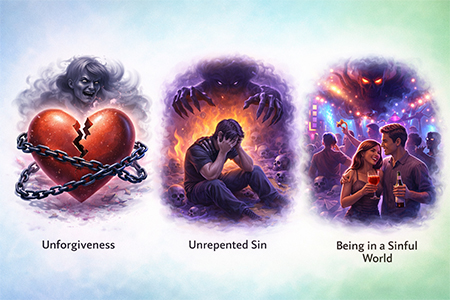
1. Unforgiveness: When the Heart Becomes a Prison
Unforgiveness is one of the most damaging spiritual conditions a person can carry. It keeps wounds open, sustains emotional pain, and creates an environment where bitterness and stress flourish. Over time, this internal pressure can manifest physically—affecting the immune system, increasing inflammation, and producing chronic illness.
Jesus made it clear that forgiveness is not optional for believers. It is not primarily about excusing another person’s behavior; it is about freeing your own heart from bondage.
Scripture Reference (Unforgiveness):
“And whenever you stand praying, if you have anything against anyone, forgive him, that your Father in heaven may also forgive you your trespasses.”
— Mark 11:25 (NKJV)
Unforgiveness keeps a person spiritually tense and emotionally guarded. The body often follows the condition of the soul. Forgiveness, on the other hand, releases peace, restores spiritual flow, and removes legal ground that tormenting influences can exploit.
In Matthew 18:21-35, Jesus tells the story of the unforgiving servant. He said that the unforgiving servant will be tortured for not forgiving his fellow servant. "Then the master called the servant in. ‘You wicked servant,’ he said, ‘I canceled all that debt of yours because you begged me to. 33 Shouldn’t you have had mercy on your fellow servant just as I had on you?’ 34 In anger his master handed him over to the jailers to be tortured, until he should pay back all he owed."
Who do you think the jailers are? They are certainly not angels, who are ministering spirits. They are spirits of discipline - demons - that will torture you until you come to repentance and forgive your neighbor.
2. Unrepented Sin: When the Conscience Is Burdened
Unrepented sin does not always bring immediate consequences, but it always brings spiritual weight. Guilt, shame, and inner conflict place pressure on the mind and body. Scripture shows that hidden or tolerated sin can affect physical well-being, draining strength and joy.
Sin disrupts fellowship with God—not because He withdraws love, but because the heart becomes divided. This internal conflict can weaken spiritual defenses and leave a person vulnerable to sickness and oppression.
Scripture Reference (Unrepented Sin):
“If I regard iniquity in my heart, the Lord will not hear.”
— Psalm 66:18 (NKJV)
Repentance is not about condemnation; it is about restoration. When sin is confessed and turned away from, spiritual clarity returns, peace is restored, and the burden lifts. Many people experience emotional and even physical relief when repentance is sincere and complete.
3. We Are Not Fighting Flesh and Blood: Living in a Troubled World
Not all sickness is tied to personal unforgiveness or unrepented sin. Scripture teaches that we live in a fallen, broken world marked by spiritual conflict. There is real opposition, real darkness, and real pressure that affects humanity as a whole.
We are not merely dealing with natural circumstances; we are navigating spiritual realities in a world affected by sin, corruption, trauma, stress, and evil influences. Exposure to fear, trauma, grief, and prolonged stress can wear down the body over time. Spiritual battles often manifest physically when believers are unaware of the nature of the conflict.
This is why prayer, spiritual discernment, and standing in faith are essential. Strength, health, and peace are sustained not only by physical care but also by spiritual vigilance.
Walking in Wisdom and Wholeness
It is important to emphasize that sickness is not always caused by sin. Jesus Himself corrected that assumption. However, Scripture does teach that spiritual conditions can contribute to weakness if left unaddressed.
Healing often begins when:
- Forgiveness is released
- Repentance is sincere
- Spiritual realities are acknowledged
- Faith is exercised with wisdom and balance
God’s desire is not to accuse, but to restore. He invites His people into freedom—spirit, soul, and body.
Conclusion
Unforgiveness, unrepented sin, and spiritual conflict in a troubled world are realities that Scripture does not ignore. Addressing these areas brings clarity, peace, and often healing. The goal is not fear or self-blame, but awareness and alignment with God’s truth.
When the heart is free, the conscience is clean, and the spirit is strengthened, the body often follows.